Edward Mallinckrodt, Jr. Foundation
Empowering innovation
in biomedical science
Our Impact
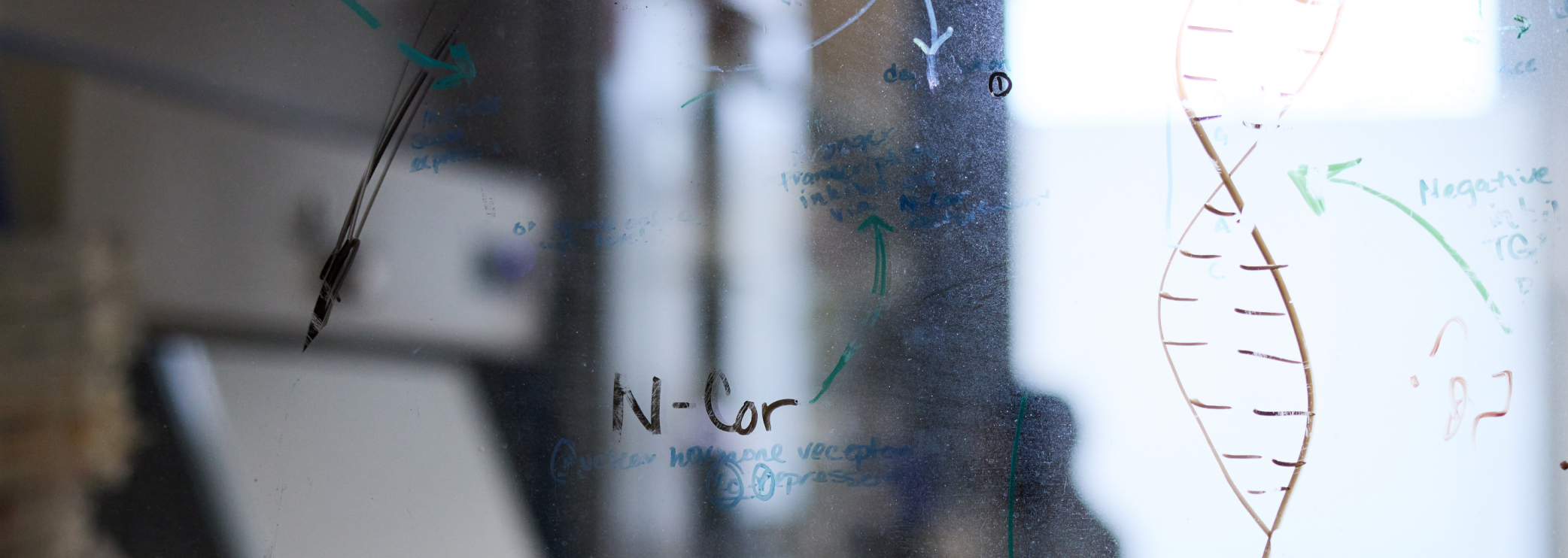
The Foundation’s funding is crucial because it provides early-stage investigators with the opportunity to pursue high-impact, innovative research that might otherwise lack initial funding, often serving as a critical step toward securing larger, long-term grants.
Transformative Impact
Since 1953
Grantees & Scholar Recipients
Meet Mallinckrodt-funded researchers and scholars whose work is helping shape the future of human health.
Agnel Sfeir
Chair, Cancer Genetics
Memorial Sloan Kettering Cancer Center
Scholar Recipient
Allon Klein
Professor of Systems Biology
Harvard Medical School
Grant Recipient
Michael Diamond
Professor, Departments of Medicine, Molecular Microbiology, Pathology & Immunology
Washington University School of Medicine
Grant Recipient
André Hoelz
Professor of Chemistry and Biochemistry
California Institute of Technology
Scholar Recipient
Elaine Hsiao
Professor in Microbiome Research
UCLA
Grant Recipient
Feng Zhang
Professor of Neuroscience and Biological Engineering
MIT
Scholar Recipient
Matthew Shoulders
Class of 1942 Professor of Chemistry
MIT
Scholar Recipient
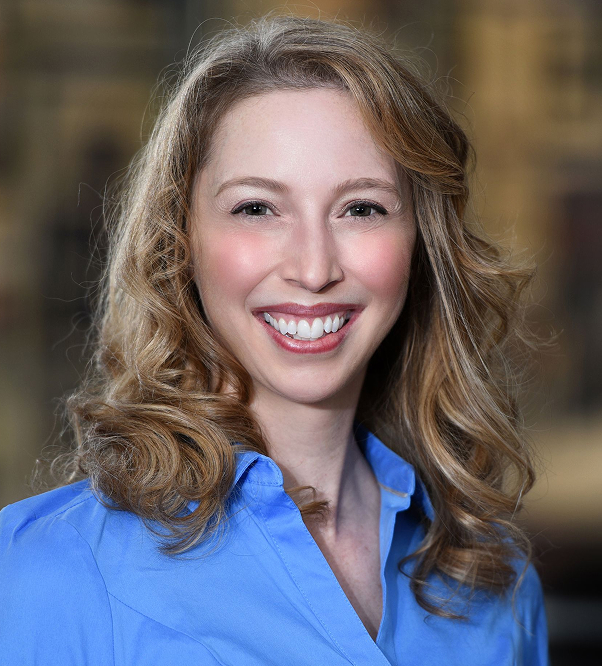
Melanie Samuel
Associate Professor, Department of Neuroscience
Huffington Center on Aging Baylor College of Medicine
Grant Recipient
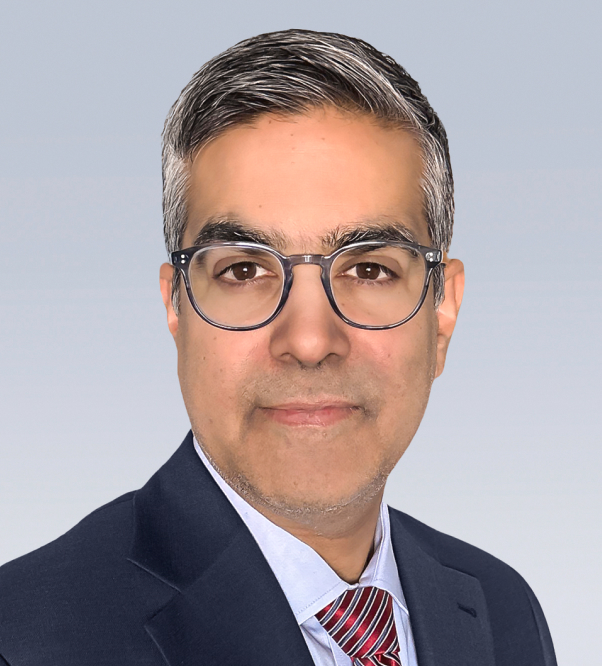
Rahul Kohli
Associate Professor of Medicine
University of Pennsylvania School of Medicine
Grant Recipient
Roberto Zoncu
Professor, Department of Molecular & Cell Biology
UC Berkeley
Scholar Recipient
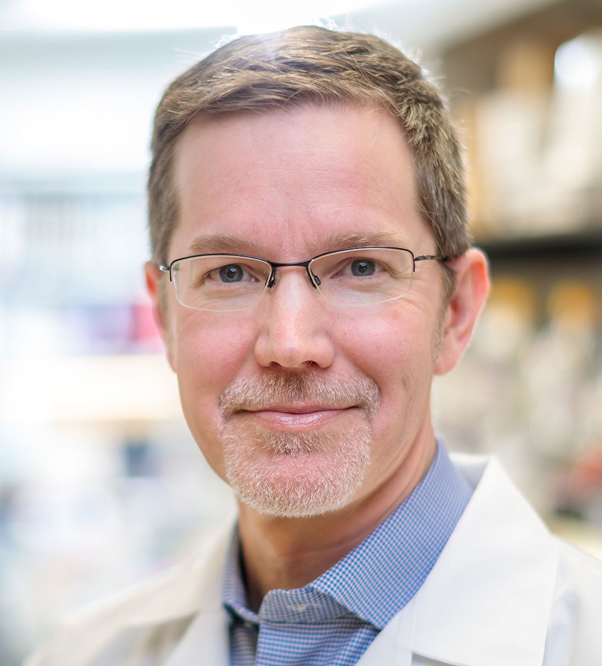
Timothy Miller
Professor of Neurology
Washington University in St. Louis
Grant Recipient
Ting Wang
Professor of Medicine, Department of Genetics
Washington University in St. Louis
Grant Recipient
Valentina Greco
Professor of Genetics
Yale School of Medicine
Scholar Recipient
Yuki Oka
Professor of Biology
Caltech
Grant Recipient
Agnel Sfeir
Chair, Cancer Genetics
Memorial Sloan Kettering Cancer Center
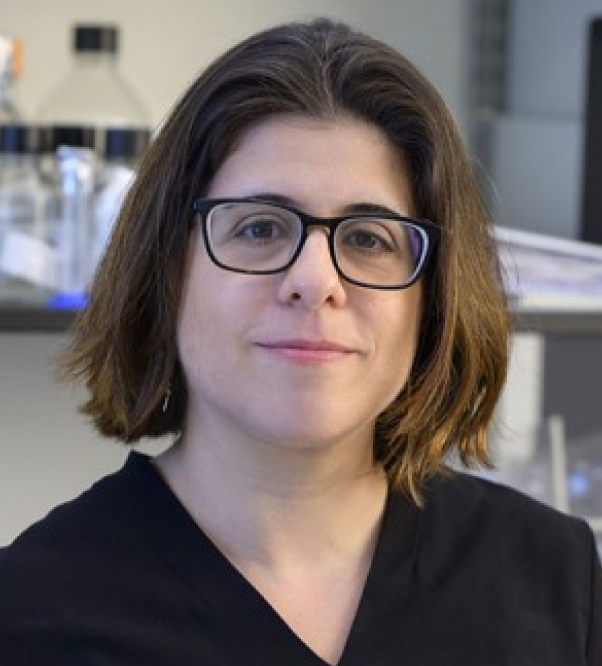
Scholar Recipient Agnel Sfeir investigates how cells safeguard their genomes, from the specialized caps at chromosome ends (telomeres) to the repair tools that fix broken DNA and the often-overlooked realm of mitochondrial DNA. Her lab’s discoveries clarify how tumors survive when conventional DNA repair is blocked and have helped define polymerase-theta–mediated end joining, a backup repair pathway that cancer cells can exploit. Understanding these routes enables precision therapies that selectively damage tumor cells while sparing healthy tissue.
Sfeir is a Professor at the Sloan Kettering Institute, with disclosures noting relationships with Repare Therapeutics, underscoring translation to new cancer drugs. For non-scientists, the significance is intuitive: DNA damage happens constantly; cells must choose the right fix. When cancers rewire those choices, Sfeir’s work shows how to turn that rewiring against the tumor.
Allon Klein
Professor of Systems Biology
Harvard Medical School
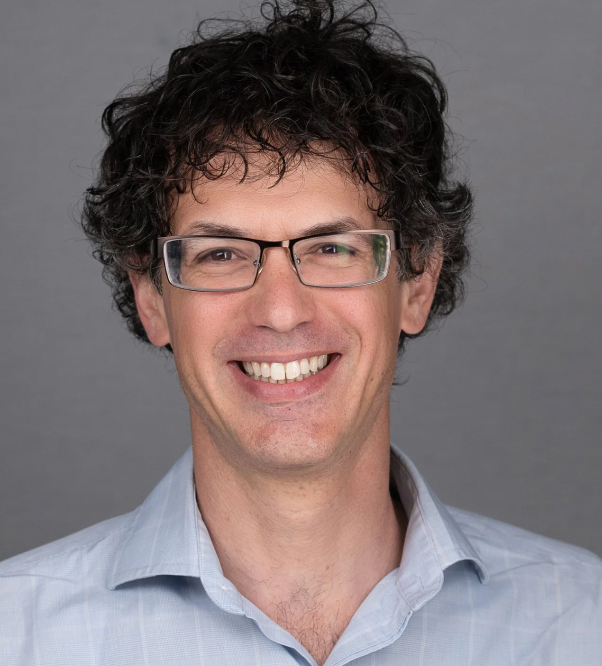
Grant Recipient Allon Klein builds tools that let scientists watch how individual cells make fate decisions—how one fertilized egg becomes many cell types, and how adult tissues renew and repair. Klein co-invented inDrop, a droplet-microfluidic method that packages thousands of single cells into tiny droplets, barcodes their RNA, and sequences them in parallel. The result is a high-resolution “census” of cell types and states that accelerates discoveries in development, immunity, and cancer. inDrop helped spark today’s single-cell genomics revolution and it’s foundational concepts are the bases for methods widely used via academic cores and commercial systems. More recently, his group introduced an evolution of droplet microfluidics for multi-step “Capsule Genomics” (CAGEs), which allow carrying out complex genomic measurements on single cells.
Klein’s group applies and extends these technologies to map early embryonic development and adult stem-cell behavior, often revealing rare transitional states that were invisible to bulk methods, and identifying which genes, molecular pathways and biological processes control the decisions that cells make. In landmark studies, the lab and collaborators charted early vertebrate development cell-by-cell, providing reference atlases that guide work across many diseases.
Michael Diamond
Professor, Departments of Medicine, Molecular Microbiology, Pathology & Immunology
Washington University School of Medicine
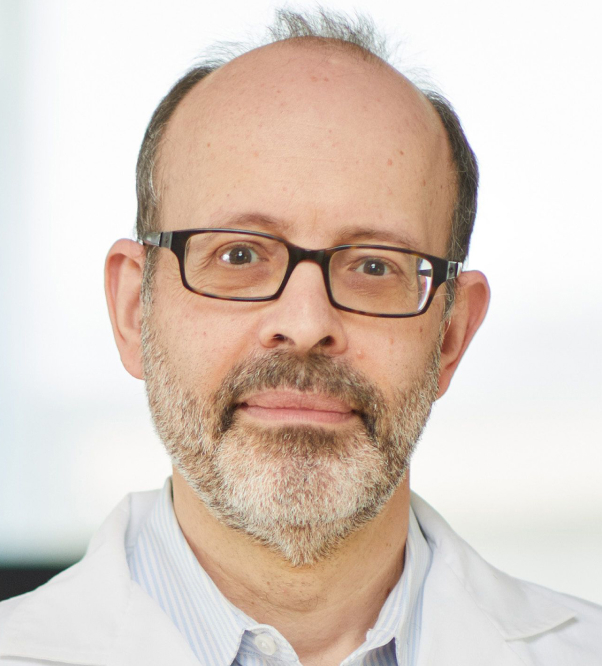
Grant Recipient Dr. Diamond’s laboratory studies the molecular basis of disease of globally emerging RNA viruses, and focuses on the interface between pathogenesis and host immunity. He identified many of the key innate and adaptive immune system components that define protection against flaviviruses, and the viral genes that antagonize this response. His laboratory made a seminal discovery by identifying a novel pathogen-associated molecular pattern (lack of 2′-O methylation on the 5′ viral RNA cap) and mechanism of innate immune restriction through IFIT1 proteins. His group has used genome-wide screening to identify host factors required by viruses, including novel entry receptors for multiple alphaviruses of global concern. He has led the field in studying mechanisms of pathogenesis of Zika virus infection and disease including in pregnancy, and more recently studied how the microbiome modulates immunity and infection of arthropod-transmitted viruses His group also has generated, characterized, and mapped thousands of neutralizing antibodies against Zika, West Nile, Dengue, Mayaro, and Chikungunya viruses. His work has led directly to the development of antiviral therapeutic antibodies and vaccines against both flaviviruses and alphaviruses. Most recently, his laboratory has begun efforts to study the biology and pathogenesis of SARS-CoV-2 and is pursuing strategies for developing antibody and vaccine countermeasures and novel mouse models of disease and identifying correlates of immune protection.
Dr. Diamond is an elected member of the American Society of Clinical Investigation, Association of American Physicians, American Association for the Advancement of Science, and the National Academy of Medicine. He is also a recipient of Stanley J. Korsmeyer Award of the American Society of Clinical Investigation and currently an elected Councilor for the Association of American Physicians.
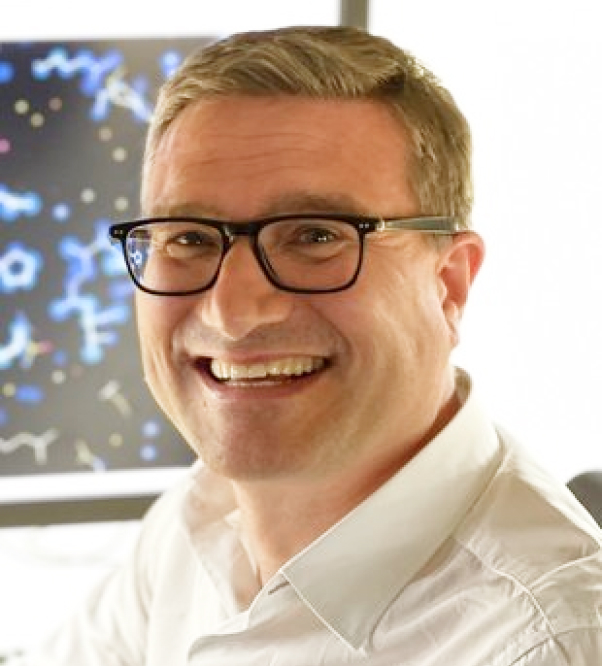
André Hoelz
Professor of Chemistry and Biochemistry
California Institute of Technology
Scholar Recipient André Hoelz tackles one of biology’s largest molecular machines: the nuclear pore complex (NPC), a giant gate that controls what goes in and out of the cell’s nucleus. His lab uses X-ray crystallography and cryo-EM to determine atomic structures of individual NPC parts (“nucleoporins”) and then assembles those pieces into higher-order maps—like building a skyscraper one steel beam at a time. By revealing how the NPC is built and how it opens and closes, Hoelz’s work explains fundamental processes such as gene regulation, viral entry, and how transport goes awry in cancer and neurodegeneration. The long-term goal is a complete atomic model of the NPC, a feat that would set a benchmark for understanding other massive cellular machines.
In 2024, Hoelz was named a Howard Hughes Medical Institute (HHMI) Investigator, recognition for scientists whose discoveries are reshaping their fields. His group’s steady stream of nucleoporin structures and design principles has already redefined the NPC as an engineered, modular system rather than an impenetrable “black box,” opening the door to targeted therapeutics that modulate nuclear transport when disease distorts it.
Addendum
The NPC structure is essentially now done, which our two benchmark papers in 2022, we now have open and closed states of teh fungal and human NPCs. We have now entered the net phase to understand how the NPC works, primarily in macromolecular transport and MRNA export, and how it is assembled in the cell.
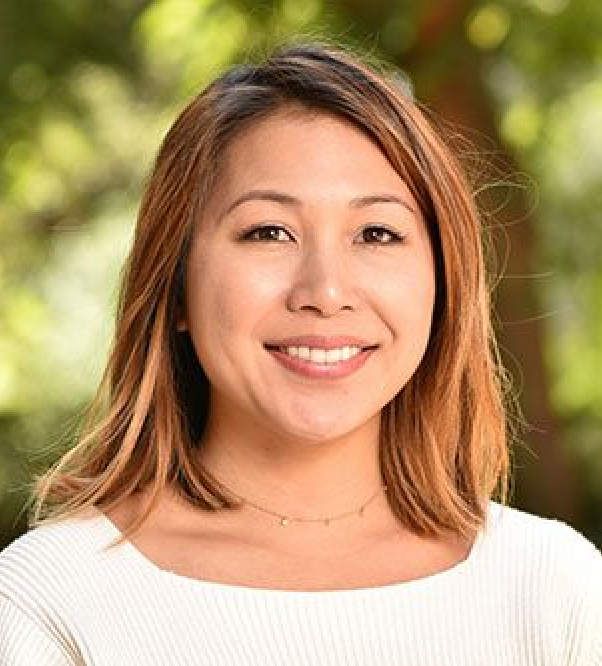
Elaine Hsiao
Professor in Microbiome Research
UCLA
Grant Recipient Elaine Hsiao studies how the gut microbiome shapes the brain and behavior. Her lab showed that in a mouse model of autism, altering gut bacteria can improve communication and social behaviors, revealing a gut–brain route to neurological symptoms. In epilepsy models, Hsiao’s team discovered that the ketogenic diet works in part through the microbiome—specific bacterial changes are required for the diet’s anti-seizure protection—opening the door to microbe-based therapies that may mimic dietary benefits with fewer side effects. Today her group dissects the molecules and neural circuits that carry signals from microbes to the nervous system and is translating insights into start-ups developing microbial or metabolite-based medicines. For families, the takeaway is empowering: some neurological conditions may be treated not only by acting on the brain, but by tuning the body’s microbes. Hsiao directs the UCLA Microbiome Center and collaborates widely to move promising findings toward the clinic.
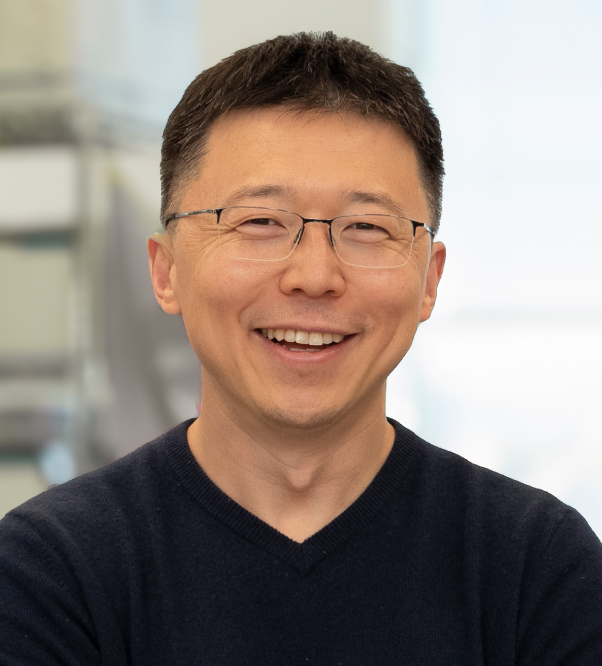
Feng Zhang
Professor of Neuroscience and Biological Engineering
MIT
Scholar Recipient Feng Zhang is a pioneer of genome engineering whose team brought CRISPR tools into mammalian cells and keeps expanding what’s possible with programmable biology. In simple terms, CRISPR systems are molecular “find-and-edit” tools guided by RNA; Zhang’s lab develops new versions (for finding stretches of both DNA and RNA) and the delivery methods to get them where they’re needed in the body. These technologies have transformed how scientists study disease and are fueling new diagnostics and therapies. Zhang is a Core Member of the Broad Institute and an Investigator at MIT’s McGovern Institute, where his group pursues the developemtn of new therapeutic strategies to restore cells to healthful states and delivery platforms aimed at real-world medical impact.
The practical impact is already visible outside academia. Zhang has co-founded multiple companies to translate these inventions—among them Editas Medicine (therapeutic genome editing), Sherlock Biosciences (CRISPR diagnostics), Arbor Biotechnologies (new CRISPR systems), Beam Therapeutics (base editing), and Aera Therapeutics (delivery). These ventures help move tools from bench to bedside and broaden access for biomedicine and public health.
In recognition of these advances, Zhang received the U.S. National Medal of Technology and Innovation (2025), the nation’s highest honor for technological achievement.
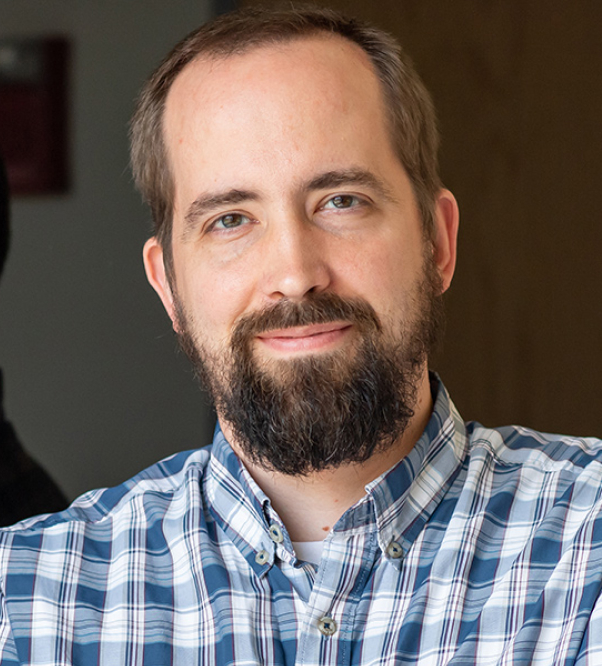
Matthew Shoulders
Class of 1942 Professor of Chemistry
MIT
Scholar Recipient Matt Shoulders explores proteostasis—how cells fold, traffic, and maintain proteins—and builds directed-evolutionplatforms to create new, therapeutic-grade biomolecules. On the biology side, his group reveals how collagen (the body’s structural scaffold) is made inside cells and why mutations cause “collagenopathies” that weaken cartilage, bone, and connective tissue. On the technology side, his team develops continuous evolution methods that speed up the search for better proteins, complementing classical approaches to protein design. Together, these lines of work point to treatments that restore folding in genetic disease and next-generation biologics evolved directly inside cells.
Shoulders received the NIH Director’s New Innovator Award and other honors, reflecting both scientific creativity and practical impact. For non-scientists, the significance is twofold: understanding collagen folding can translate into therapies for common, painful conditions (from early arthritis to brittle bone disorders), and improving protein-evolution tools accelerates medicines across many diseases, from metabolic disorders to viral infection.
Melanie Samuel
Associate Professor, Department of Neuroscience
Huffington Center on Aging Baylor College of Medicine
Grant Recipient Melanie Samuel explores how neural circuits are built and maintained—and why they fail in disease and aging. Her lab studies communication among neurons, microglia, and blood vessels, revealing molecular signals that keep synapses healthy and enable the brain to adapt after injury. Using a “whole-circuit” approach, the team maps cell-to-cell dialogues and tests ways to preserve or restore those conversations, with implications for Alzheimer’s disease, epilepsy, and neurodevelopmental conditions.
Samuel is an Associate Professor at Baylor and a CPRIT Scholar, reflecting the promise of her work for both cancer-related neuroscience and brain health more broadly. For lay audiences: if brain function depends on billions of connections, Samuel’s research is about protecting those connections—keeping the circuit stable while still flexible enough to learn and recover.
Rahul Kohli
Associate Professor of Medicine
University of Pennsylvania School of Medicine
Grant Recipient Rahul Kohli studies enzymes that purposefully rewrite DNA, systems our bodies use to create antibody diversity and that viruses and bacteria exploit to evolve. His lab dissects families such as AID/APOBEC deaminases and TET enzymes—chemistries that add, remove, or transform DNA letters—and then engineers these enzymes into tools for genome analysis and precision editing. That dual focus (mechanism → technology) has yielded new base-editing strategies and methods to track how pathogens outsmart antibiotics, with the goal of reprogramming DNA and steering or blocking evolution in the clinic.
Kohli’s scholarship spans medicine and basic science: he is an infectious-diseases physician and educator at Penn, and his lab’s support reflects impact across fields—NIH Director’s New Innovator Award, Rita Allen Scholar, and Burroughs Wellcome Fund Pathogenesis of Infectious Disease Award, among others. The through-line is clear to non-scientists: understanding—and safely harnessing—the cell’s own “rewrite machinery” can improve diagnostics, counter drug resistance, and enable gentler genetic medicines.
Roberto Zoncu
Professor, Department of Molecular & Cell Biology
UC Berkeley
Scholar Recipient Roberto Zoncu helped recast the lysosome—once seen as a cellular “recycling bin”—as a critical metabolic command center. His lab showed that growth-control pathways (mTORC1) are switched on at the lysosome, where the cell senses nutrients such as amino acids and even cholesterol, and then coordinates whether to build new components or break down old ones. These insights explain how cells balance anabolism and catabolism, and why that balance fails in cancer and neurodegeneration.
By combining biochemistry, live-cell imaging, and reconstituted systems, the Zoncu Lab continues to uncover how organelles talk to one another and how nutrient signals are integrated across the cell. Understanding this circuitry is already pointing to therapeutic targets—for example, dialing down pathological mTORC1 activity in tumors or tuning lysosomal function in storage and protein-misfolding diseases.
Timothy Miller
Professor of Neurology
Washington University in St. Louis
Grant Recipient Tim Miller is a neurologist who has led the charge to turn gene-targeted therapies into reality for ALS. He helped pioneer antisense oligonucleotide (ASO) approaches for SOD1-ALS, guiding the clinical development of tofersen, which received FDA approval in 2023—the first drug aimed at the genetic cause of a form of ALS. His team also helped establish neurofilament light as a biomarker that tracks neuronal injury and treatment response, accelerating trials. Clinically, Miller co-directs WashU’s ALS Center, uniting patient care with research so discoveries can move quickly to the bedside. For families, the message is hope grounded in data: by reading a patient’s genetic code and silencing specific disease genes, we can slow damage and, ultimately, build a path to prevention for inherited ALS.
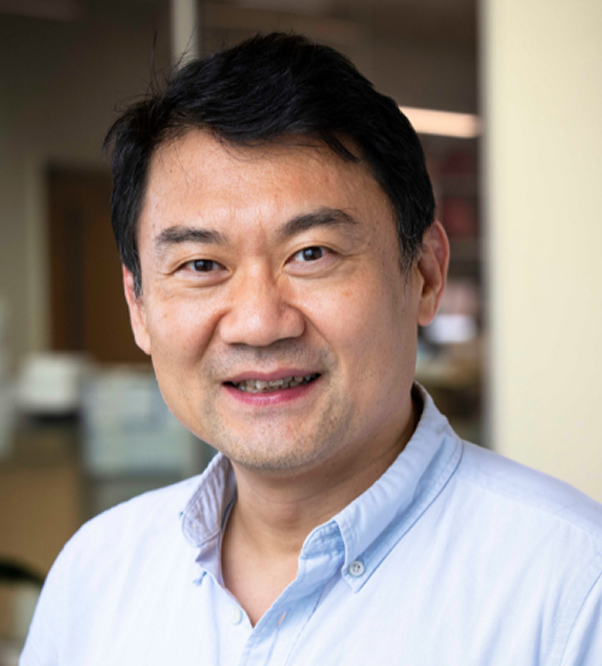
Ting Wang
Professor of Medicine, Department of Genetics
Washington University in St. Louis
Grant Recipient Ting Wang maps the epigenome—the chemical markings and chromatin structures that decide which genes turn on or off—and shows how these programs change in development, evolution, and cancer. His group built widely used DNA methylome and regulatory-element tools and revealed that transposable elements (ancient viral-like repeats) are not junk: they provide a large fraction of our gene-control switches and can be co-opted—or go awry—in disease. Wang’s current work integrates experiments and computation to chart how epigenetic states drive cell identity and how their disruption fuels cancer; he now leads WashU’s Department of Genetics. For a general audience: if the genome is the book of life, Wang studies the highlighters, bookmarks, and sticky notes that tell cells which chapters to read—and shows how those annotations can be edited by evolution, infection, or therapy.
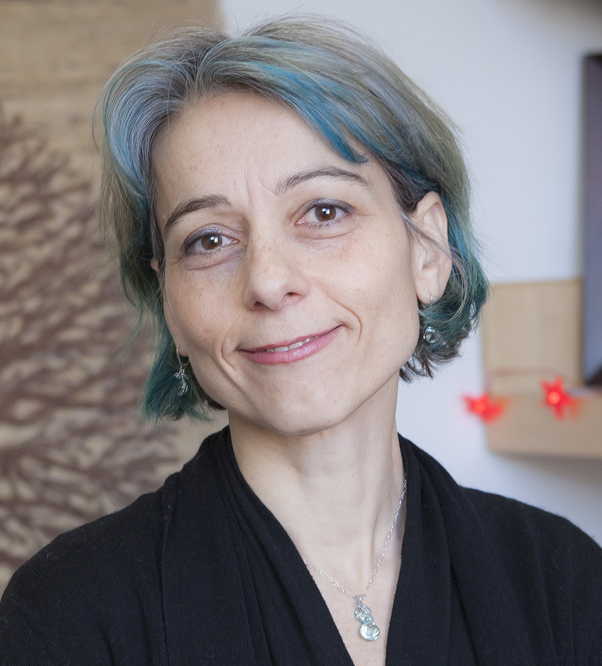
Valentina Greco
Professor of Genetics
Yale School of Medicine
Scholar Recipient Valentina Greco is a leader in live imaging of stem cells inside living tissue. Her lab developed approaches to watch skin stem cells in their native niche in real time, revealing how cells coordinate to renew the epidermis, repair wounds, and keep mutated cells in check. Seeing these decisions unfold in living mice has changed how scientists think about tissue health: it’s not just about individual cells but about the community—neighbors, niche signals, and immune cells—that together maintain balance over a lifetime.
Greco’s work has broad significance for cancer and regenerative medicine. By watching normal and mutant cells compete, her team shows when the tissue environment suppresses or permits tumor growth—insights that may inspire gentler, more targeted ways to prevent cancer or boost repair. Greco is an Investigator of the Howard Hughes Medical Institute and serves as Past President of the International Society for Stem Cell Research (2024–2025), reflecting her field-shaping scientific leadership and commitment to mentoring and inclusion.
Yuki Oka
Professor of Biology
Caltech
Grant Recipient Yuki Oka reveals how the brain generates primal urges like thirst and salt appetite—and how those drives are quickly quenched once we drink or taste salt. His team identified on/off neurons in the subfornical organ that toggle water-seeking within seconds, and mapped hindbrain circuits that spur sodium intake when the body’s stores are low. Oka also showed how fast mouth and gut signals silence thirst even before the water is absorbed, explaining why a few gulps feel instantly satisfying. These discoveries connect basic physiology to health: understanding these circuits could lead to new ways to manage hypertension, kidney disease, or dehydration risk. For non-scientists: Oka studies the brain’s internal thermostats for fluids and minerals—how they sense need, drive behavior, and then turn themselves off.
Grant and Scholar Recipients
Support the Foundation
Please contact us for ways to support the next generation of biomedical scientists.
Contact Us